


Key Takeaways
- Coins.ph added BTC and ETH to the Philippines’ QR Ph network, letting users pay nearly 700,000 retail merchants.
- Analysts view this integration of digital assets as a critical viability test for regions with high remittances.
- Pending BSP approval, Coins.ph plans to launch its PHPC stablecoin to remove foreign exchange spreads.
The Evolution of the Philippines’ QR Ph Network
The integration of digital assets into the Philippines’ national quick-response (QR) code network is expanding to include volatile cryptocurrencies alongside dollar-pegged stablecoins, signaling an evolution in how emerging markets utilize digital currencies for everyday retail commerce.
Following an initial April rollout that linked the stablecoins USDT and USDC to the country’s standardized QR Ph network, local digital wallet provider Coins.ph has extended the infrastructure to support bitcoin and ethereum. The expansion allows consumers to spend both stablecoins and the two largest cryptocurrencies by market capitalization across a network of nearly 700,000 merchants nationwide.
Initial data from the program’s early weeks showed thousands of retail transactions totalling millions of Philippine pesos. According to Coins.ph, transaction logs reflect diversified consumer spending habits rather than niche or luxury purchases, with users deploying digital balances for grocery settlements, school tuition payments, and home appliance purchases.
The infrastructure relies on real-time backend liquidations to navigate the price volatility associated with non- stablecoin assets. Coins.ph CEO, Wei Zhou, credited the mechanism with shielding both consumers and merchants from real-time market fluctuations.
“The true ‘Aha!’ moment for our community occurs when they realize they no longer need to manually sell their crypto to a PHP balance first,” said Zhou. “This automation removes the psychological barrier of cashing out, allowing stablecoins to finally function as actual money rather than just a speculative trading pair.”
The Crypto-Native Earner Use Case
Zhou noted that the inclusion of bitcoin and ethereum has revealed a distinct dual-use case within the domestic market. While a significant portion of the population continues to treat cryptocurrencies like bitcoin as long-term speculative investments, an emerging segment of crypto-native earners—including freelancers, remote workers, and gig economy participants—is utilizing the direct-spending feature to bypass multi-step fiat conversion pipelines.
Fintech analysts view the interoperability milestone as a critical test case for the commercial viability of digital currencies in regions characterized by high remittance volumes and large unbanked populations. By embedding digital assets directly into a state-backed payment framework, regional financial technology firms are seeking to shift cryptocurrencies from investment portfolios to functional, friction-reducing retail tools.
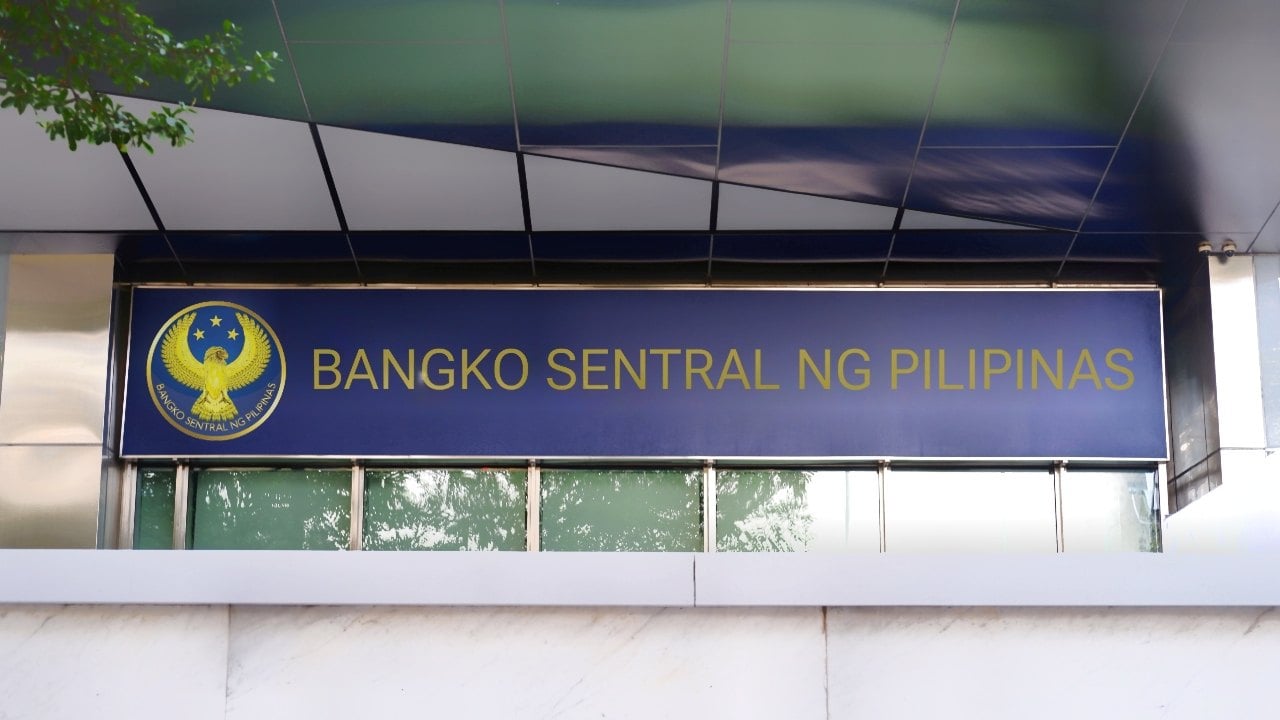
The initiative highlights a rapidly evolving regulatory environment for virtual asset service providers (VASPs) in the country. In a newly issued memorandum, the Bangko Sentral ng Pilipinas (BSP) tightened its oversight by ordering VASPs to implement stricter screening, monitoring, and delisting standards for all tokens and coins offered to local consumers.
The central bank’s directive mandates a robust due diligence process based on six key pillars: issuer background, market maturity, use cases, transparency, traceability and security, and legal compliance. Furthermore, the BSP has banned anonymity-enhancing privacy tokens and required platforms to set strict thresholds to trigger the immediate suspension or delisting of assets during adverse market events, cybersecurity threats, or regulatory non-compliance.
This shifting baseline contrasts with the historical environment that allowed early retail integrations to take shape.
“In markets with tightening restrictions, we take an engagement-first approach, working closely with local authorities to demonstrate how a transparent, blockchain-based system actually enhances anti-money laundering and consumer protection efforts,” Zhou said. “Regardless of the jurisdiction, our goal is to maintain a compliance-first DNA that adapts to local nuances ensuring that we always operate as a responsible gateway to the digital economy.”
The newly enforced BSP guidelines place particular emphasis on fiat-backed digital assets, requiring service providers to strictly evaluate the minting, issuance, redemption, and reserve verifiability of stablecoins to maintain public trust.
This heightened scrutiny directly impacts localized digital asset pipelines. Coins.ph recently completed the testing phase for its Philippine Peso-backed stablecoin (PHPC) within the BSP regulatory sandbox. The company intends to list PHPC alongside foreign options like USDT and USDC inside the national QR Ph ecosystem.
Looking Ahead: Institutional Proof of Concept
According to Zhou, the firm is currently in the final stages of securing the necessary permits from the central bank to officially exit the sandbox. Subject to those approvals, the domestic asset is positioned to serve as a primary retail settlement tool.
“While USDT and USDC provide our users with excellent exposure to dollar-backed stability, PHPC will serve as the natural bridge for local commerce by eliminating the foreign exchange spreads typically associated with dollar-pegged assets,” Zhou said.
The regulatory alignment with the central bank-backed QR Ph network has served as a proof of concept for corporate partners. However, the deployment demonstrates that direct crypto spending can be scaled within existing compliance and point-of-sale systems, lowering structural barriers for institutional payment firms evaluating blockchain-based retail infrastructure.
While transaction volumes remain a small fraction of the broader domestic electronic payments market, market regulators and participants are continuing to monitor spending patterns and liquidity demands to assess how broader retail integration impacts consumer financial behavior under the tightening oversight framework.